
Head Office
117, Grand Trunk Road, Salkia Howrah-700013, Kolkata, India
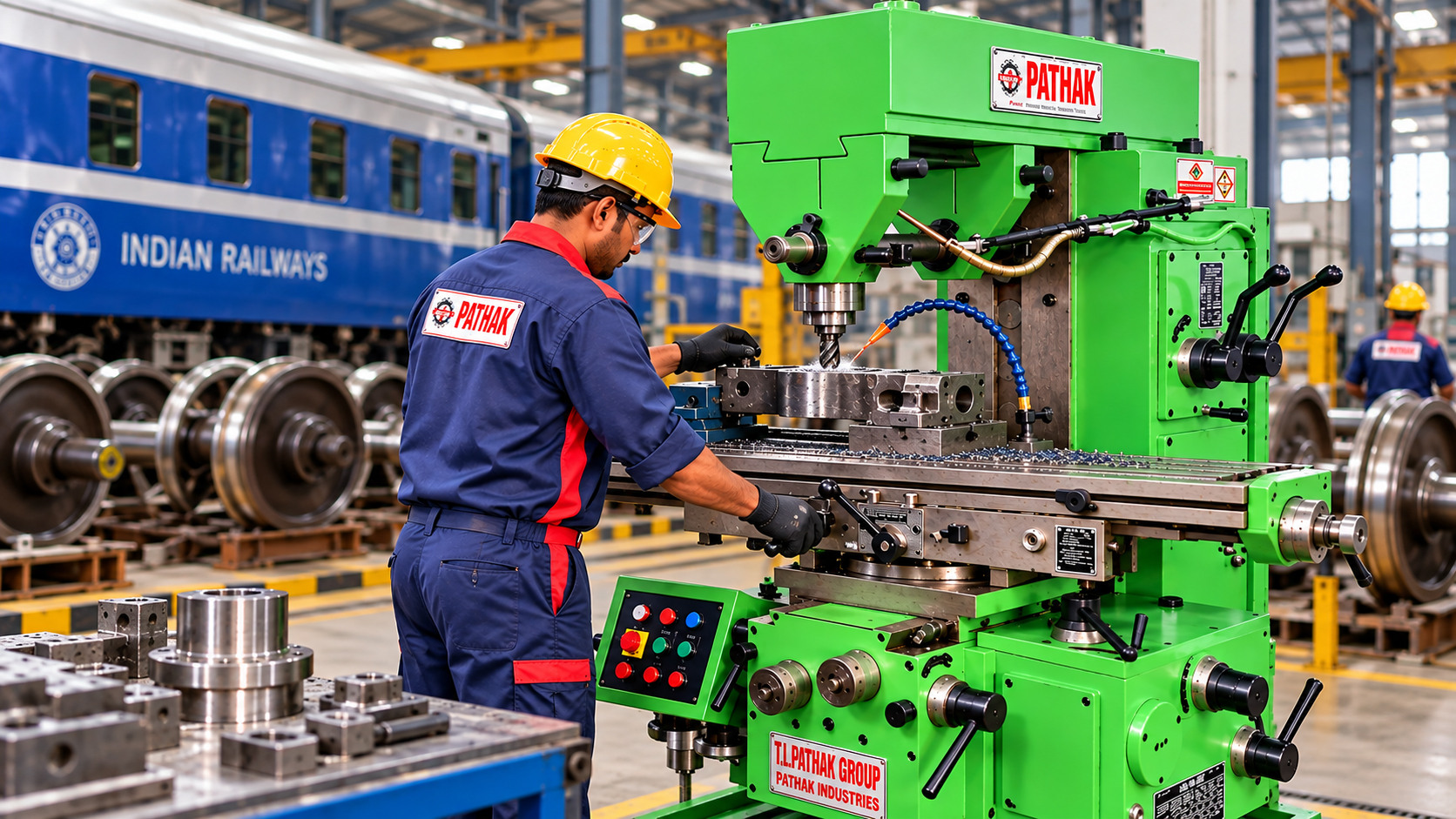
The railway industry requires robust, accurate, and repeatable machining for the manufacture, repair, and maintenance of locomotives, coaches, wagons, bogies, track systems, and other rail components. Many railway parts are large, heavy, and made from high-strength materials, so their machining places significant demands on machine rigidity, spindle power, workholding, tooling, and dimensional control.
The railway industry requires robust, accurate, and repeatable machining for the manufacture, repair, and maintenance of locomotives, coaches, wagons, bogies, track systems, and other rail components. Many railway parts are large, heavy, and made from high-strength materials, so their machining places significant demands on machine rigidity, spindle power, workholding, tooling, and dimensional control.
The railway industry requires robust, accurate, and repeatable machining for the manufacture, repair, and maintenance of locomotives, coaches, wagons, bogies, track systems, and other rail components. Many railway parts are large, heavy, and made from high-strength materials, so their machining places significant demands on machine rigidity, spindle power, workholding, tooling, and dimensional control.
Among the machine tools used in railway manufacturing, the milling machine plays an important role. Milling machines can perform operations such as face milling, end milling, slot milling, profile milling, drilling, boring, reaming, tapping, and machining of complex surfaces.
Railway applications can range from relatively small brackets and mounting plates to very large bogie frames, chassis structures, engine components, points and crossings, and other structural parts. RDSO technical requirements for locomotive bogie frames, for example, specify computer-controlled plano-milling equipment with horizontal/vertical boring and multi-axis capability for machining large truck frames.
A milling machine removes material by rotating a multi-point cutting tool while the workpiece or cutting head moves along controlled axes.
Unlike a lathe, where the workpiece normally rotates, milling is particularly suitable for producing flat surfaces, slots, pockets, shoulders, keyways, profiles, holes, mounting faces, and complex geometries.
This makes milling equipment valuable in:
Large CNC milling centres are specifically used for railway applications such as bogies, chassis structures, engine/crankcase components, and points and crossings.
The bogie is one of the most important structural assemblies beneath a railway vehicle. It supports the vehicle body and carries components associated with wheelsets, suspension, braking, traction, and guidance.
Depending on bogie design and manufacturing route, milling may be required for:
Large gantry or portal CNC milling machines are particularly useful because the bogie can potentially be machined across multiple locations with fewer setups. Commercial railway machining systems are specifically designed for complete bogie-frame machining, while Indian Railways documentation also emphasizes inspection and dimensional condition of bogie structures.
Railway coaches, locomotives, metro vehicles, and wagons incorporate large fabricated structures containing mounting surfaces, brackets, plates, holes, and interfaces that may require machining after fabrication.
Milling can be used for:
Face machining • edge machining • drilling • boring • slotting • pocket machining • mounting-hole preparation
Large-format CNC and gantry machines are especially valuable when the component cannot be conveniently repositioned multiple times.
Railway axles are predominantly produced through a combination of processes that may include forging, turning, grinding, drilling, testing, and finishing. Milling can also form part of the production route for specific features.
For example, Railway Wheel Factory manufacturing information describes axle processing that includes end milling, followed by other operations such as turning, drilling/tapping, grinding, and inspection.
Potential milling-related work includes:
Because axles are safety-critical components subjected to cyclic loading, machining must always follow the applicable engineering drawings, material specifications, process controls, and inspection requirements.
Axle boxes and bearing housings require accurately machined mating and locating surfaces.
Milling operations can be useful for producing:
Indian Railways maintenance documentation specifically discusses accurate machining of axle-box lugs and guide surfaces and stresses the importance of maintaining correct geometry during manufacture and overhaul.
Railway braking systems contain numerous mechanical parts requiring machining.
Depending on component design, milling machines may be used for:
Brake components are safety-critical; dimensional requirements, material specifications, inspection procedures, and surface requirements should always be taken from approved engineering documentation.
Railway couplers connect coaches, wagons, and locomotives and are subjected to significant tensile and compressive loads.
Manufacturing may require milling of:
Heavy-duty milling machines are advantageous when machining large forged or cast components because machine rigidity helps control vibration under high cutting loads.
Railway bogies contain primary and secondary suspension systems incorporating brackets, supports, control arms, links, and mounting components.
Milling may be used to machine:
Mounting faces • bores • slots • profiles • bracket surfaces • locating features
Indian Railways' LHB maintenance documentation, for example, specifies dimensional inspection and, under defined conditions, re-machining of control-arm features.
Locomotives, electric multiple units, metro trains, and other powered rolling stock contain traction and transmission assemblies.
Milling machines may be used for components such as:
Complex housings can require a combination of milling, drilling, boring, tapping, and other machining processes.
Diesel locomotives contain large engine components that may require extensive machining.
Suitable CNC milling and boring equipment can be used for:
Railway-focused gantry machining systems are used not only for bogie frames but also for diesel engine blocks and can combine milling with drilling, reaming, boring, and threading.
Milling is not limited to rolling-stock manufacturing.
Rail infrastructure also contains components requiring specialized machining. Points, switches, and crossings contain complex profiles and geometries that can require heavy-duty milling solutions.
Specialized milling systems have been developed specifically for machining railway points and crossings.
Depending on the manufacturing or maintenance operation, milling can be used for selected:
Special-purpose rail milling differs considerably from ordinary workshop milling, so the equipment must be selected according to the specific track or component application.
Railway wheel profile maintenance is commonly associated with specialized wheel lathes and grinding equipment, but specialized milling systems also exist.
Research on locomotive wheel maintenance documents equipment capable of milling both wheels of an axle while the wheels remain on the locomotive, demonstrating that milling can also have specialized wheel-reprofiling applications.
This should not be confused with conventional vertical or horizontal milling of ordinary components.
Used to create flat, controlled surfaces on frames, plates, housings, brackets, and structural components.
Suitable for slots, shoulders, pockets, edges, profiles, and localized surfaces.
Used when producing side surfaces, grooves, and related features.
Suitable for slots, channels, keyways, and other specified recesses.
Used to produce curved or complex contours on railway components.
Many CNC milling centres can perform hole-making operations without transferring the component to another machine.
Important for producing or finishing accurate holes and bearing locations.
Used when a previously produced hole requires controlled size and surface finish.
Used for threaded mounting holes in housings, frames, brackets, and structural components.
Multi-axis CNC machines can machine complex three-dimensional profiles and difficult-to-access features.
Railway parts can be considerably larger than components found in many general engineering applications.
Heavy-duty bed mills, plano millers, and gantry/portal milling machines can be configured for large structures such as bogie frames and chassis components.
Modern CNC machining centres can combine:
Milling + drilling + boring + reaming + tapping/threading
Reducing the number of setups can reduce material handling and opportunities for setup-related dimensional error.
Correctly selected milling equipment can produce controlled:
The achievable result depends on the complete machining process rather than the machine alone.
Railway components are often manufactured from steels, castings, forgings, and fabricated structures.
Heavy cutting therefore requires adequate machine rigidity, spindle torque, workholding strength, and cutting-tool capability.
For repeated bogies, brackets, housings, or other components, CNC machining allows programmed tool paths to be repeated consistently, subject to machine condition, tooling, setup, thermal behavior, and process control.
Modern machining strategies can dramatically reduce processing time for large components. One published railway bogie machining case reports a reduction from 120 hours using older conventional equipment to around five hours per bogie with modern CNC equipment, illustrating the potential impact of optimized large-component machining. Actual productivity will, of course, depend on the component and process.
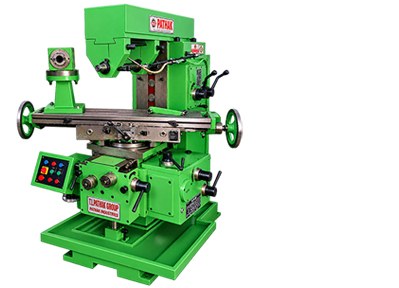
Built around machining faces, slots, keyways, and contoured features, the All Geared Milling Machine provides a dedicated wor...
View Product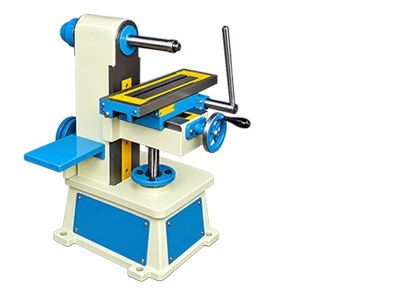
The primary role of the Baby Gattu Milling Machine is machining faces, slots, keyways, and contoured features. Its controlled...
View Product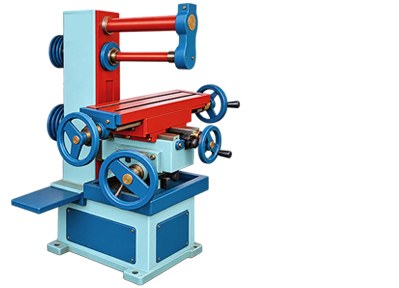
The Baby Milling Machine handles machine parts, dies, fixtures, and repair components through a layout intended for machining...
View Product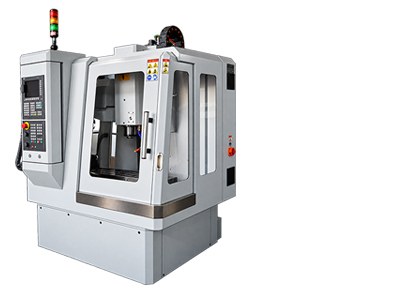
Built around machining faces, slots, keyways, and contoured features, the CNC Milling Machine provides a dedicated working ar...
View Product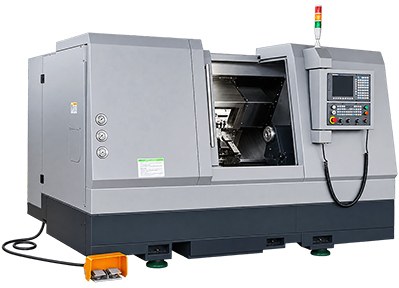
The CNC Turn Mill handles components and materials suitable for the named process through a layout intended for performing th...
View Product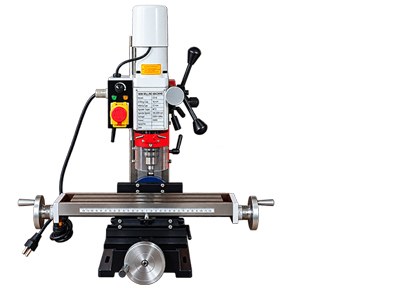
Built around machining faces, slots, keyways, and contoured features, the Mini Hobby Milling Machine provides a dedicated wor...
View Product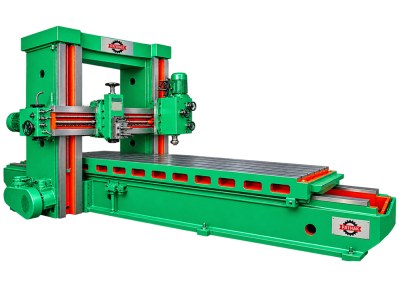
The primary role of the Planer Cum Plano Milling Machine is machining faces, slots, keyways, and contoured features. The oper...
View Product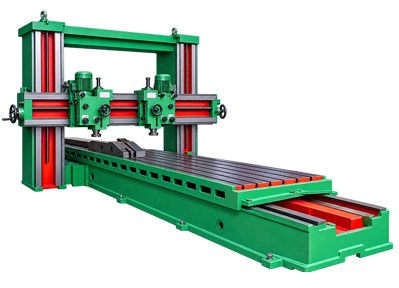
The Plano Milling Machine is designed for machining faces, slots, keyways, and contoured features. Its controlled table trave...
View Product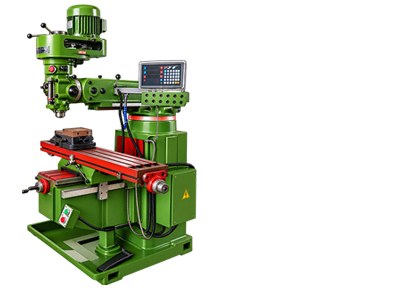
The Ram Turret Milling Machine is designed for machining faces, slots, keyways, and contoured features. The operating method...
View Product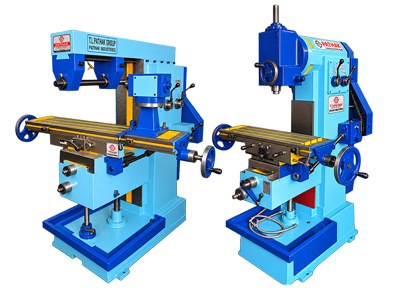
The Universal and Vertical Milling Machine is designed for machining faces, slots, keyways, and contoured features. The opera...
View Product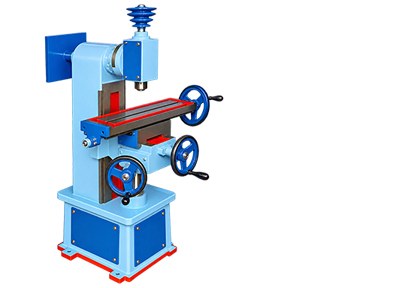
The Vertical Gattu Milling Machine handles machine parts, dies, fixtures, and repair components through a layout intended for...
View Product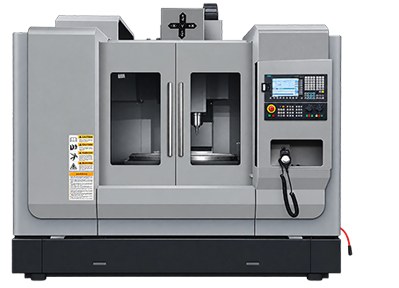
For work involving components and materials suitable for the named process, the Vertical Machining Center offers a process-sp...
View ProductMilling machines play an important role in the railway industry, supporting the manufacture, repair, and maintenance of components ranging from relatively small brackets and housings to bogie frames, chassis structures, suspension components, axle-box parts, brake components, couplers, engine structures, points, crossings, and other large precision-machined parts.
The correct machine should be selected according to the workpiece size and weight, material, machining operations, required accuracy, production volume, spindle power and torque, axis travel, workholding requirements, and level of automation.
For general repair and low-volume manufacturing, conventional vertical, horizontal, or universal milling machines can offer considerable flexibility. For large railway structures and repeat production, CNC bed-type, plano, gantry, and portal milling systems provide the capacity, rigidity, multi-axis control, and automation required for more demanding applications.
When suitable milling equipment is combined with rigid fixturing, appropriate cutting tools, controlled machining parameters, dimensional inspection, preventive maintenance, trained operators, and effective safety procedures, railway manufacturers can achieve the productivity, repeatability, and machining quality required for modern rolling-stock and railway-component production.