
Head Office
117, Grand Trunk Road, Salkia Howrah-700013, Kolkata, India
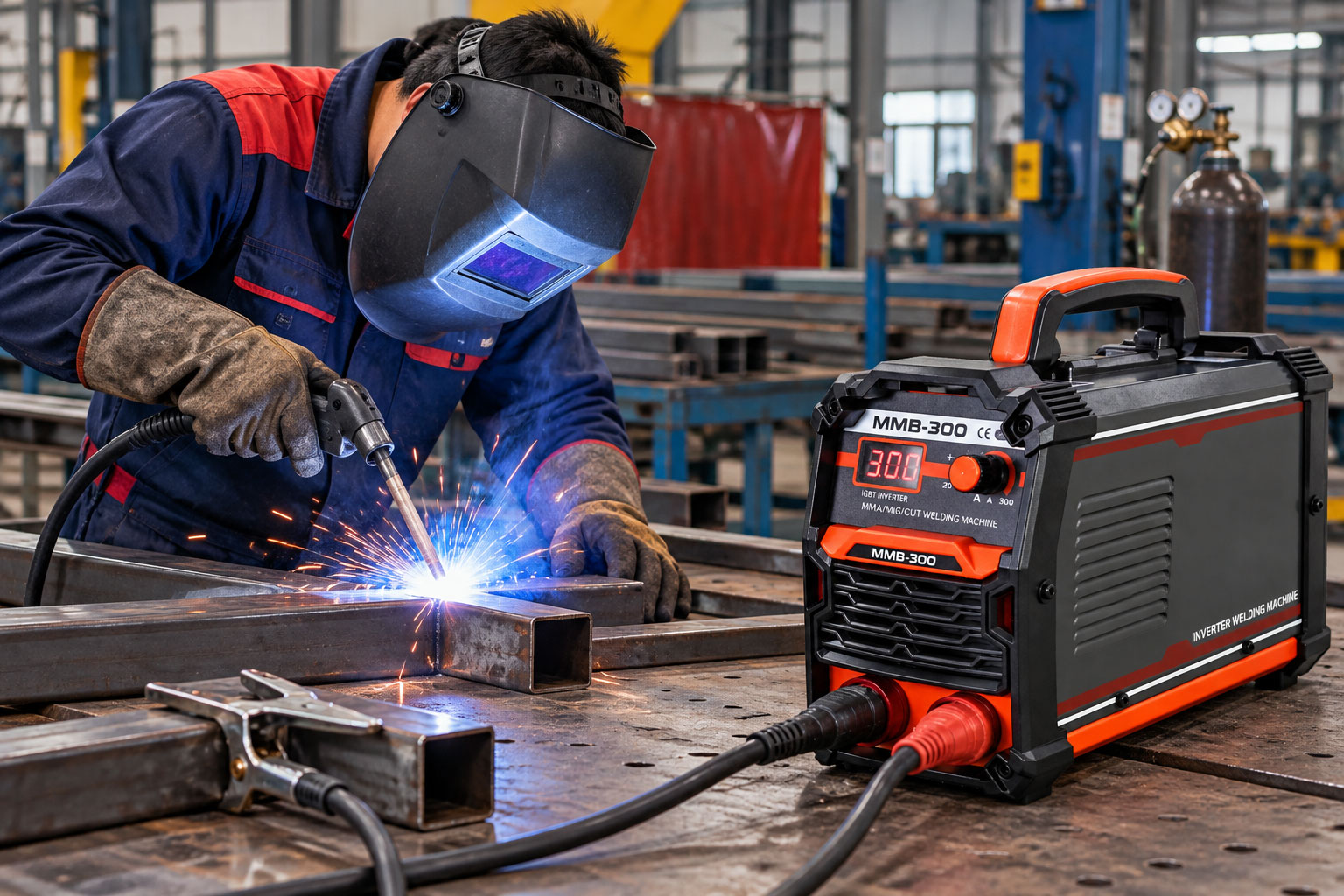
Welding is one of the fundamental manufacturing processes used to transform individual metal components into complete structures, machines, vehicles, pipelines, frames, tanks, and industrial equipment. Whether a workshop is joining thin stainless-steel sheet or fabricating a multi-tonne structural assembly, the quality of the finished product depends heavily on correct welding equipment, suitable consumables, proper joint preparation, controlled welding parameters, operator skill, and inspection.
Welding is one of the fundamental manufacturing processes used to transform individual metal components into complete structures, machines, vehicles, pipelines, frames, tanks, and industrial equipment. Whether a workshop is joining thin stainless-steel sheet or fabricating a multi-tonne structural assembly, the quality of the finished product depends heavily on correct welding equipment, suitable consumables, proper joint preparation, controlled welding parameters, operator skill, and inspection.
Welding is one of the fundamental manufacturing processes used to transform individual metal components into complete structures, machines, vehicles, pipelines, frames, tanks, and industrial equipment. Whether a workshop is joining thin stainless-steel sheet or fabricating a multi-tonne structural assembly, the quality of the finished product depends heavily on correct welding equipment, suitable consumables, proper joint preparation, controlled welding parameters, operator skill, and inspection.
Industrial welding equipment is used to produce permanent joints by applying heat, pressure, or a combination of processes appropriate to the welding method and materials involved. Modern welding systems range from compact manual power sources for repair workshops to sophisticated automated welding cells used for repetitive manufacturing.
The objective is not merely to "join two pieces of metal." An effective welding process should produce a joint that meets the required strength, penetration, geometry, dimensional accuracy, appearance, and service requirements specified by the applicable drawing, welding procedure, code, or standard.
Correct equipment can also contribute to cleaner weld appearance, controlled spatter, improved productivity, reduced rework, consistent arc performance, and reliable workshop operation.
This guide explains the principal types of welding equipment, their applications, selection criteria, welding processes, workshop setup, user guidance, productivity, maintenance, quality control, safety, and frequently asked questions.
Welding equipment includes the machines, power sources, torches, electrode holders, wire feeders, cables, gas systems, fixtures, positioners, controls, extraction equipment, and accessories required to carry out a welding process.
A typical welding setup may include:
The exact configuration depends on the welding process.
Metal fabrication commonly follows a sequence such as:
Cutting → Machining → Forming → Joint Preparation → Fit-Up → Welding → Cleaning/Finishing → Inspection → Assembly
Welding quality affects the structural integrity and appearance of the finished product.
Poorly controlled welding can result in defects such as:
The welding machine is therefore one part of a complete controlled manufacturing process.
MIG/MAG welding is widely used in industrial fabrication because it combines continuous wire feeding with relatively high productivity.
The process uses a continuously fed consumable wire electrode.
Depending on the shielding gas and application, it may be referred to as MIG (Metal Inert Gas) or MAG (Metal Active Gas) welding.
MIG/MAG welding is commonly used for:
The final result depends on correct wire, gas, voltage, current/wire-feed speed, travel speed, torch angle, and joint preparation.
TIG (Tungsten Inert Gas) welding, also known as Gas Tungsten Arc Welding (GTAW), uses a non-consumable tungsten electrode to produce the arc.
Filler material can be added separately where required.
TIG is particularly valued when weld control, appearance, and cleanliness are priorities.
TIG welding can provide:
The trade-off is that manual TIG is often slower than high-deposition processes such as MIG/MAG.
Stick welding uses a flux-coated consumable electrode.
It is known by several names:
It remains highly useful because of its simplicity, portability, and ability to operate in many field and workshop conditions.
Because the electrode coating produces slag, post-weld slag removal is normally required between appropriate passes and after welding.
Submerged Arc Welding (SAW) is an industrial welding process in which the arc operates beneath a layer of granular flux.
It is particularly suited to high-deposition welding of long, relatively continuous joints.
Applications can include:
SAW can achieve high productivity but is generally more specialized than ordinary workshop MIG or stick welding.
Resistance spot welding joins overlapping sheet materials by applying electrical current and mechanical force through electrodes.
It is extensively associated with:
The process can be highly suitable for automated high-volume manufacturing.
Stud welding is used to attach threaded or unthreaded studs to a metal surface.
Applications include:
It can eliminate the need to drill holes or weld around the entire circumference of certain fasteners.
A welding positioner does not create the weld itself, but it can have a major influence on welding productivity and consistency.
Positioners rotate or tilt the workpiece so that the welder or automated torch can operate in a more favorable orientation.
Applications include:
Positioning equipment can reduce difficult manual handling and improve access to the joint.
For high-volume or large-component production, welding torches can be mounted on mechanized manipulators.
These systems can control:
They are useful in tanks, vessels, beams, pipes, and repetitive industrial assemblies.
Although plasma cutting is not a welding process, plasma cutters are frequently used alongside welding equipment.
A plasma cutter can prepare:
Proper cutting and edge preparation can reduce the amount of grinding required before welding.
Mild steel is one of the most commonly welded materials in fabrication.
Applications include:
MIG/MAG, stick, TIG, SAW, and resistance welding may all be used depending on the application.
Stainless steel requires appropriate filler material, shielding, heat control, cleanliness, and procedure selection.
Applications include:
TIG and suitable MIG processes are widely used.
Aluminium welding requires particular attention to:
TIG and appropriately configured MIG systems are commonly used.
Heavy engineering can involve alloy or high-strength steels that require carefully qualified procedures.
Preheating, interpass temperature, filler selection, cooling rate, and post-weld treatment may be important depending on the material and engineering requirements.
Welding equipment is essential for manufacturing:
Applications include:
Welding is used for:
Resistance spot welding and robotic welding are especially important in high-volume automotive production.
Applications can include:
Welding procedures for safety-critical railway components must follow applicable specifications.
Shipbuilding requires extensive welding of:
Welding equipment is used for:
Applicable welding codes and qualified procedures are particularly important in this sector.
Excavators, cranes, loaders, and other heavy machines contain numerous welded structural assemblies.
High-strength materials may require controlled welding procedures.
Welding is widely used in:
Welding is fundamental to tank and vessel fabrication.
Depending on service requirements, welds may need formal procedure qualification, welder qualification, inspection, and non-destructive examination.
A powerful welding machine cannot compensate for poor joint preparation.
The welding process begins before the arc is started.
Remove inappropriate contamination such as:
The required level and method of cleaning depend on the process and specification.
Depending on material thickness and welding requirements, joints may use:
Groove angle, root opening, root face, and alignment should follow the approved procedure or engineering requirements.
Poor fit-up can lead to:
Use appropriate clamps, jigs, fixtures, and tack welds to maintain alignment.
Consumable selection should be based on:
Consumables can include:
Electrodes • solid wire • flux-cored wire • filler rods • submerged-arc wire and flux
Never choose filler material solely on price.
Processes such as MIG/MAG and TIG require suitable shielding gas.
Common industrial gases and mixtures can include:
The gas affects:
Always follow the welding procedure and consumable/equipment recommendations.
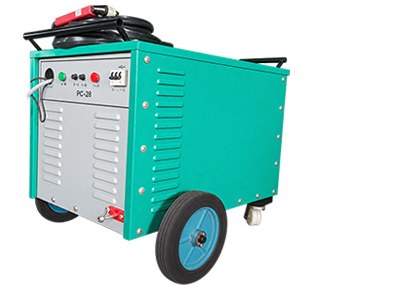
The primary role of the Air Plasma Cutting Machine is separating material into required sizes or profiles. The operating meth...
View Product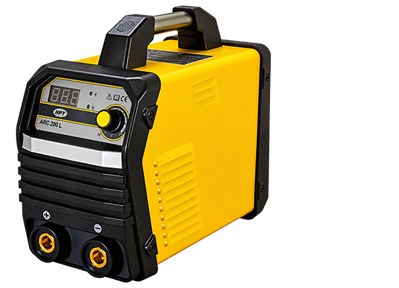
The ARC Welding Machine 200 AMPS handles metal frames, assemblies, and title-specific components through a layout intended fo...
View Product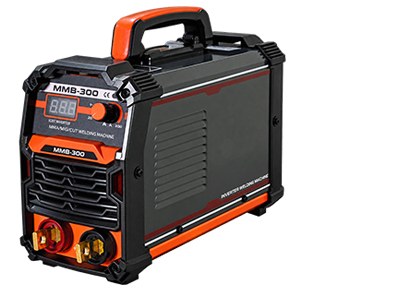
The ARC Welding Machine 300 AMPS is designed for joining prepared components for fabrication or repetitive production. Typica...
View Product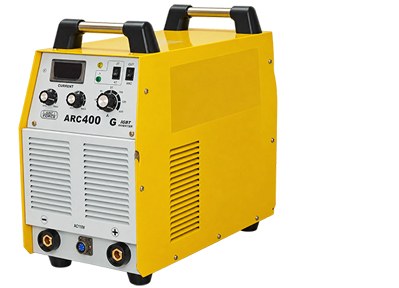
The primary role of the ARC Welding Machine 400 AMPS is joining prepared components for fabrication or repetitive production....
View Product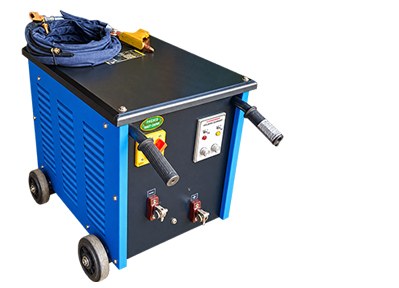
The Hand Spot Welding is designed for joining overlapping sheet parts at localised points. Its combined electrode pressure an...
View Product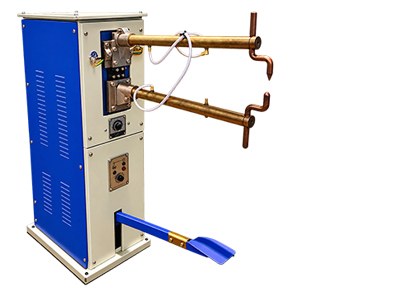
The Pedal Opeated Spot Welding Machine is designed for joining overlapping sheet parts at localised points. Its combined elec...
View Product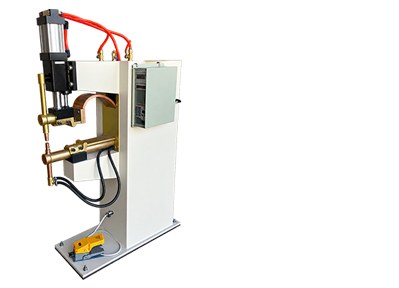
The Pneumatic Spot Welding Machine handles sheet assemblies, wire products, and small components through a layout intended fo...
View Product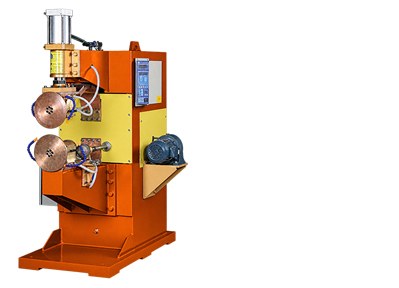
Built around performing the specialised operation identified by its title, the Seam Welder provides a dedicated working arran...
View Product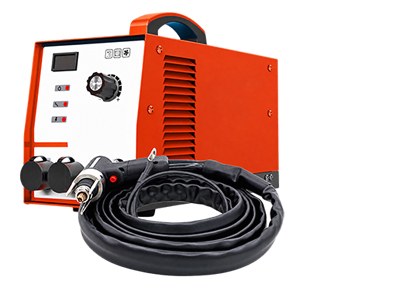
The Stud Welder handles components and materials suitable for the named process through a layout intended for performing the...
View Product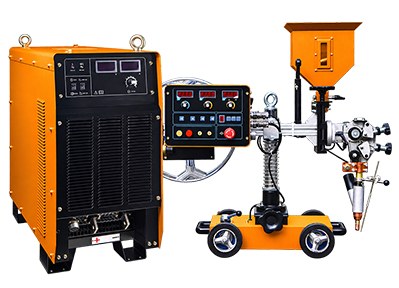
The Submerged Arc Welding is designed for joining prepared components for fabrication or repetitive production. Typical users...
View ProductDetermine whether you will weld:
Mild steel • stainless steel • aluminium • alloy steel • other metals
The material immediately narrows the suitable processes and equipment.
Thin sheet and heavy plate have very different welding requirements.
For example:
Thin precision fabrication: TIG or suitable MIG equipment may be considered.
General fabrication: MIG/MAG or stick welding may be suitable.
Heavy structural work: Higher-capacity MIG/MAG, flux-cored, stick, or SAW systems may be appropriate depending on the procedure.
For occasional repairs, portability may be more important than automation.
For continuous manufacturing, consider:
Select a machine with a current range suitable for both the thinnest and thickest expected workpieces.
Do not assume that the highest amperage automatically means the best machine.
Duty cycle indicates how long a welding power source can operate at a specified output within a defined test period before requiring cooling under the specified conditions.
For heavy production, duty cycle is a critical specification.
A workshop performing continuous fabrication should select equipment designed for sustained industrial operation rather than intermittent light-duty use.
Before purchasing, verify:
Industrial welding equipment can impose significant electrical loads.
For construction sites and maintenance work, compact portable equipment may be valuable.
For factory production, reliability, duty cycle, cooling, wire capacity, and automation compatibility may matter more than portability.
If production volume may increase, consider equipment capable of integration with:
Inspect:
Damaged equipment should be repaired or replaced before use.
Clean the joint and prepare the edges according to the required welding procedure.
Correctly position and clamp the parts.
Depending on the process, settings may include:
Parameters should be established from the qualified welding procedure, equipment/consumable guidance, and actual application requirements.
For new jobs, a trial piece can help verify settings before welding the actual component.
Operator technique affects:
Maintain appropriate travel angle, work angle, arc length, and travel speed for the selected process.
After welding and appropriate cleaning, inspect for visible problems such as:
Critical components may require additional inspection.
Depending on application, inspection can include:
Used to evaluate weld appearance, dimensions, surface defects, and workmanship.
Useful for detecting certain surface-breaking discontinuities in suitable non-porous materials.
Used for surface and near-surface discontinuities in appropriate ferromagnetic materials.
Uses sound waves to identify certain internal discontinuities.
Uses X-rays or gamma radiation to examine internal weld conditions.
The required inspection method should be determined by the applicable engineering specification or code.
A clean weld begins with correct welding—not with excessive grinding afterwards.
To improve finishing:
Grinding should not be used to conceal unacceptable weld defects.
Welding introduces localized heat that can cause expansion and contraction.
Distortion can be reduced through appropriate:
The correct method depends on the component and welding procedure.
High productivity should not come at the expense of weld quality.
Consider the complete process:
Preparation → Fit-Up → Tack Welding → Welding → Cleaning → Inspection → Finishing
Productivity can be improved through:
Reducing rework is often one of the most effective ways to improve total welding productivity.
Reliable workshop performance requires preventive maintenance.
Regularly inspect:
Accumulated metal dust should be handled according to the equipment manufacturer's maintenance instructions.
Particular attention should be given to:
Poor wire feeding can create unstable arc performance.
Inspect:
Contaminated tungsten should be prepared correctly before continuing critical welding.
Welding can expose personnel to electric shock, intense light radiation, hot metal, sparks, fire, fumes, gases, compressed gas cylinders, and other hazards.
Welding, cutting, and brazing hazards include metal fumes, ultraviolet radiation, burns, eye damage, electrical shock, cuts, and injuries caused by material handling.
Welding fumes can contain potentially harmful metals and gases.
Adequate ventilation and, where necessary, local exhaust ventilation should be used.
Appropriate ventilation, local fume extraction, and respiratory protection should be selected according to the welding process, materials, consumables, and workplace risk assessment.
Use a welding helmet with a filter shade suitable for the welding process and current.
Appropriate safety glasses may also be required beneath the helmet.
Suitable welding PPE can include:
Remove or protect combustible materials from the welding area.
Hot sparks can travel beyond the immediate welding location.
Fire-watch arrangements may be required for certain hot-work conditions.
Do not use damaged welding leads, holders, torches, or electrical equipment.
Wet conditions require particular precautions.
Shielding-gas cylinders should be properly secured, handled, stored, and protected from damage.
Welding inside tanks, vessels, and confined spaces presents additional hazards involving ventilation, gases, oxygen levels, access, and rescue.
Such work requires appropriate confined-space procedures and should never be treated as routine workshop welding.
Industrial Welding Equipment is fundamental to strong joints, clean finishing, and reliable workshop performance. From a small repair shop to a large automated fabrication plant, the welding system directly influences productivity, joint quality, appearance, consistency, and manufacturing efficiency.
Different processes serve different requirements. MIG/MAG welding provides productive continuous-wire welding for general manufacturing; TIG welding offers precise control and excellent finish; Stick/MMA welding provides versatility and portability for structural, maintenance, and field applications; Submerged Arc Welding supports high-deposition heavy fabrication; and Resistance Spot Welding enables rapid joining of sheet-metal assemblies.
However, high-quality welding depends on much more than the power source.
Manufacturers should control the complete process:
Material Selection → Joint Preparation → Fit-Up → Welding Process → Consumables → Welding Parameters → Heat Control → Cleaning → Inspection → Finishing
When choosing equipment, consider base material, thickness, joint type, welding position, current range, duty cycle, input power, consumables, shielding gas, portability, production volume, automation requirements, workshop environment, fume extraction, service support, and applicable welding standards.
With the right equipment, correctly qualified procedures where required, trained welders, suitable consumables, effective fixtures, proper fume control, preventive maintenance, and disciplined inspection, welding operations can deliver the strong joints, clean appearance, repeatable quality, high productivity, and dependable workshop performance demanded by modern metal fabrication and heavy engineering.