
Head Office
117, Grand Trunk Road, Salkia Howrah-700013, Kolkata, India
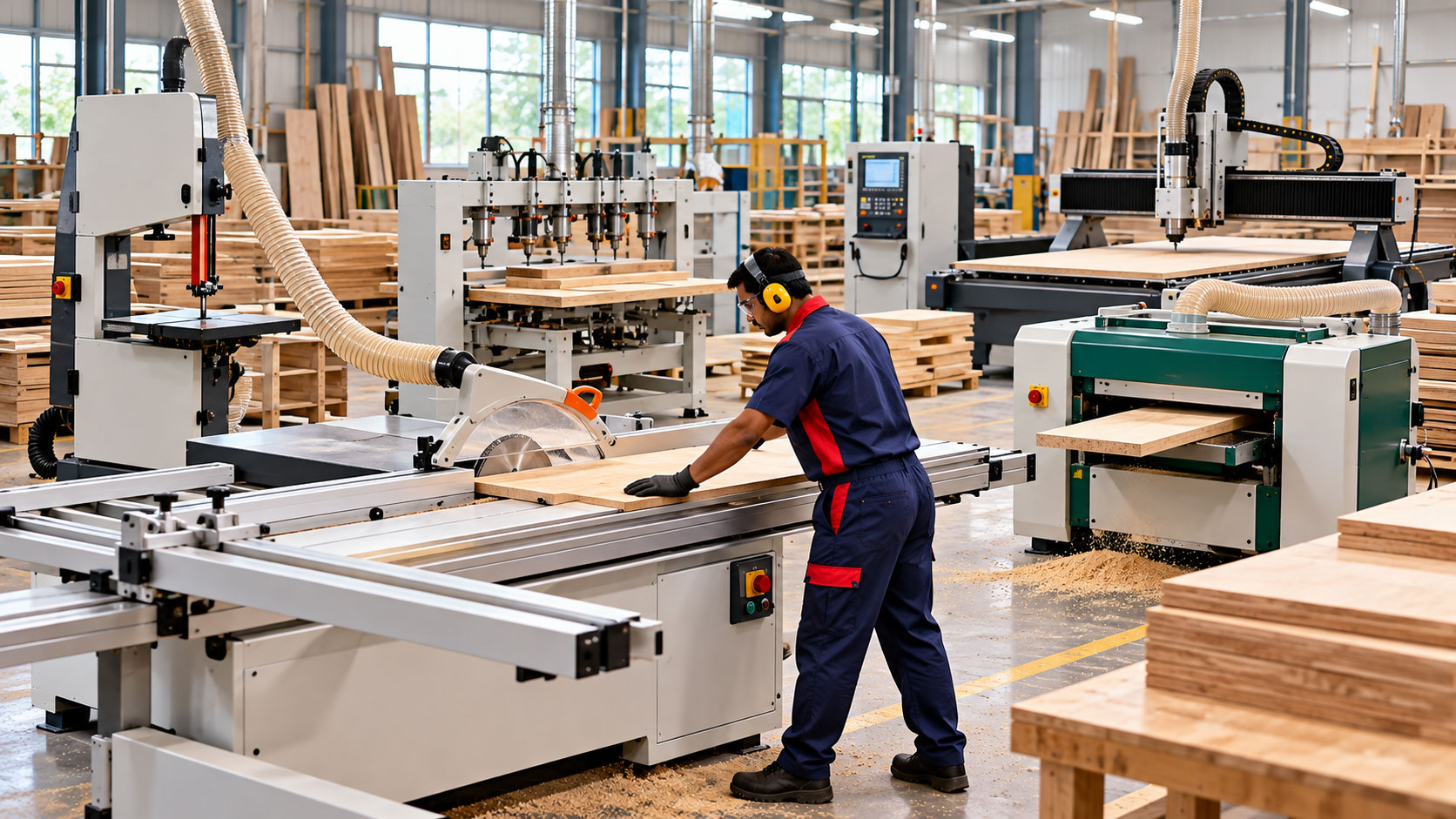
The woodworking industry combines traditional craftsmanship with increasingly sophisticated machinery to transform raw timber, boards, plywood, MDF, and other wood-based materials into finished products. From a small carpentry workshop producing custom furniture to a large factory manufacturing doors, cabinets, flooring, panels, and building components, the right woodworking machinery can significantly improve productivity, dimensional consistency, surface quality, and material utilization.
The woodworking industry combines traditional craftsmanship with increasingly sophisticated machinery to transform raw timber, boards, plywood, MDF, and other wood-based materials into finished products. From a small carpentry workshop producing custom furniture to a large factory manufacturing doors, cabinets, flooring, panels, and building components, the right woodworking machinery can significantly improve productivity, dimensional consistency, surface quality, and material utilization.
The woodworking industry combines traditional craftsmanship with increasingly sophisticated machinery to transform raw timber, boards, plywood, MDF, and other wood-based materials into finished products. From a small carpentry workshop producing custom furniture to a large factory manufacturing doors, cabinets, flooring, panels, and building components, the right woodworking machinery can significantly improve productivity, dimensional consistency, surface quality, and material utilization.
Woodworking machines are manual, semi-automatic, or automated machines used to cut, shape, size, smooth, drill, turn, profile, join, sand, and finish timber and wood-based materials for manufacturing and construction.
The category includes equipment such as table saws, band saws, panel saws, jointers, surface planers, thickness planers, moulders, spindle moulders, wood lathes, mortisers, tenoners, boring machines, sanding machines, CNC routers, and woodworking presses. Together, these machines cover primary cutting, sizing, shaping, joint preparation, surface finishing, panel processing, and assembly operations.
This guide explains the major types of woodworking machines, their applications, suitable industries, machine-selection considerations, operating practices, productivity, maintenance, dust management, and safety.
A woodworking machine is equipment designed to perform one or more manufacturing operations on wood or wood-derived material.
Depending on its design, the machine may:
A modern woodworking facility may use several machines sequentially rather than expecting one machine to complete the entire product.
For example:
Raw Board → Cutting → Jointing → Thickness Planing → Profiling/Machining → Drilling/Jointing → Sanding → Assembly → Finishing
Wood is a natural material, so dimensions, grain direction, moisture, density, knots, and surface condition can vary considerably.
Proper woodworking machinery helps manufacturers control these variations while producing parts according to the required dimensions and geometry.
The principal benefits include:
Machines can process timber much faster than purely manual methods, particularly in repetitive production.
Properly set machines can repeatedly produce boards and components to controlled widths, thicknesses, lengths, profiles, and hole locations.
Planing, moulding, and sanding equipment can improve surface finish before assembly or coating.
CNC routers and specialized woodworking machines can produce shapes and patterns that would be time-consuming to manufacture manually.
Power feeding, automated positioning, CNC control, and material-handling systems can reduce the physical effort associated with repetitive manufacturing.
A table saw is one of the most widely used machines in woodworking.
It uses a rotating circular saw blade to cut wood and wood-based boards.
Typical applications include:
Table saws are useful in furniture factories, carpentry workshops, construction joinery shops, and educational workshops.
Because the blade rotates at high speed, correct guarding, work support, and kickback prevention are essential.
A woodworking band saw uses a continuous toothed blade running around wheels.
Depending on machine configuration and blade selection, it can be useful for:
Band saws are especially useful when curved profiles need to be cut.
Panel saws are designed primarily for accurately sizing large sheets and panels.
Materials may include:
They are extensively used in modular furniture, cabinet, kitchen, office furniture, and panel-processing industries.
Compared with trying to control a large sheet manually on smaller equipment, an appropriate panel saw can improve material support and repeatability.
A jointer is used to establish a flat face or straight edge on timber.
A jointer faces or flattens wood by passing the stock over a cylindrical multi-knife cutter head while the material is maintained against a guide.
Typical applications include:
A jointer and thickness planer perform related but different functions and should not be confused.
A thickness planer, also called a surfacer in some industrial contexts, is used to machine boards to a controlled and relatively uniform thickness.
A planer dresses and sizes rough-sawn lumber by passing the stock under or between cylindrical cutter heads fitted with multiple knives.
Typical applications include:
For best results, one reference face is normally established appropriately before thickness machining.
Where workshop space or investment is limited, a combination machine can provide both jointing and thickness-planing functions.
This type of machine can be attractive for:
Production volume and changeover time should be considered before choosing a combination machine instead of separate industrial machines.
A wood moulder is designed to machine specified profiles on timber.
It can be used for products such as:
Industrial moulders may contain several cutter heads so that multiple surfaces can be machined during a single pass.
A spindle moulder uses a rotating spindle and suitable cutter to machine edges and profiles.
Applications can include:
The cutting head presents a significant hazard, so wood shapers and similar equipment require suitable guarding and appropriate feeding arrangements.
A wood lathe is used to produce rotational or cylindrical wooden components.
The workpiece rotates while a cutting tool removes material to create the desired profile.
Common products include:
Wood lathes are used in furniture production, handicrafts, architectural woodworking, and decorative component manufacturing.
A mortising machine creates mortises—recesses or cavities that form part of traditional and industrial wood joints.
It is particularly useful for:
Mortising machinery can improve repeatability compared with manually producing numerous identical joints.
A tenoning machine produces tenons that fit into corresponding mortises.
Mortise-and-tenon joints are widely used in:
In repetitive manufacturing, dedicated tenoning equipment can improve joint consistency and production speed.
Boring machines create accurately positioned holes for components such as:
Multi-boring machines are particularly useful in modular and panel furniture manufacturing where identical hole patterns must be repeated across many panels.
Sanding equipment removes small amounts of material to improve surface condition before assembly, polishing, painting, staining, laminating, or coating.
Common types include:
Wide-belt sanders are particularly useful for high-volume panel and furniture production.
Sanding can generate substantial amounts of fine wood dust, making a properly designed and maintained dust-extraction system particularly important.
A CNC Wood Router uses computer-controlled axis movements to machine wood and wood-based panels according to programmed tool paths.
Depending on the machine, it can perform:
CNC routers are especially valuable for products that require complex geometries or repeated patterns.
They are widely applicable to:
Modular furniture • cabinets • doors • decorative panels • interior products • signage • architectural woodwork • custom furniture
Presses are used where pressure must be applied during manufacturing or assembly.
Depending on design, woodworking presses can support:
Industrial woodworking presses are also used in particleboard, hardboard, and medium-density board production.
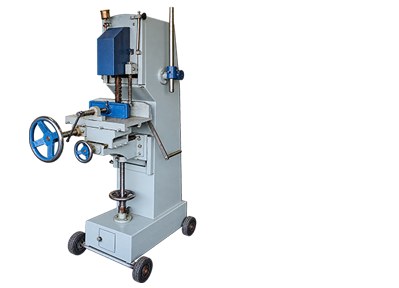
The Chain Mortsing Machine handles doors, frames, furniture, and joinery parts through a layout intended for cutting mortises...
View Product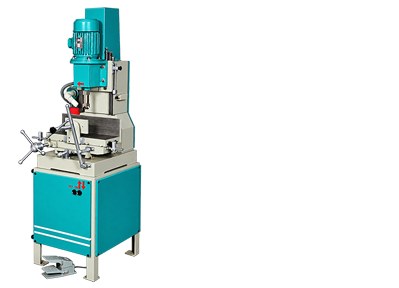
The primary role of the Chisel Mortiser Machine is cutting mortises for woodworking joints. It feeds a chisel, chain, or cutt...
View Product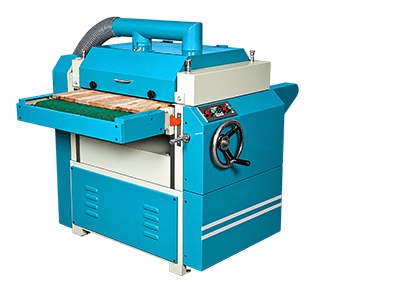
Built around smoothing wooden surfaces with controlled abrasion, the Drum Sander provides a dedicated working arrangement. It...
View Product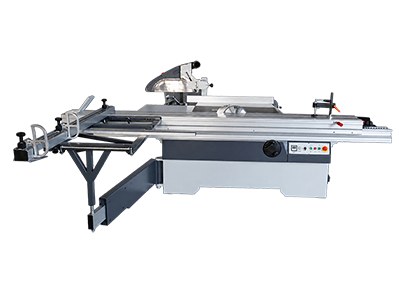
The Panel Saw Machine handles plywood, MDF, particle board, and laminated panels through a layout intended for sizing large b...
View Product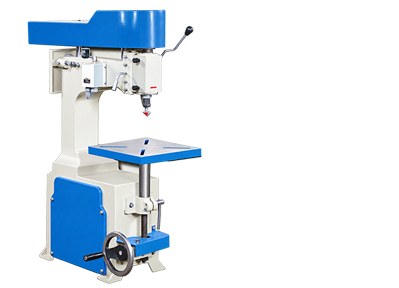
The Router Woodworking Machine handles wood, plastic, composite, stone, or other title-specific material through a layout int...
View Product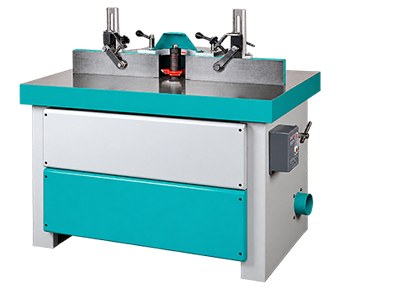
Built around performing the specialised operation identified by its title, the Spindle Moduler provides a dedicated working a...
View Product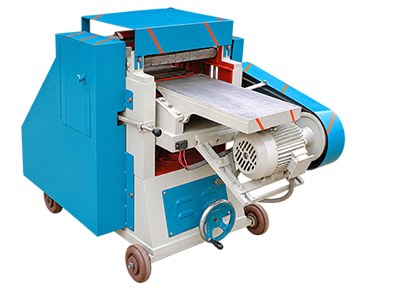
The primary role of the Thickness Planner Machine is flattening or sizing timber boards. Its supported feed for consistent bo...
View Product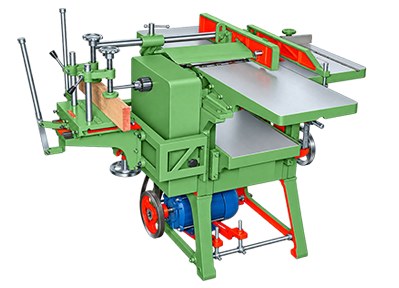
For work involving bars, tubes, profiles, or timber named in the title, the Thickness With Surface Planner Combined Circular...
View Product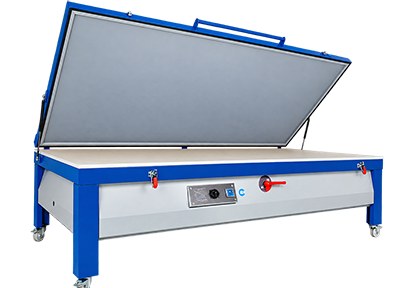
The primary role of the Vaccum Membrane Press is applying controlled force for forming, fitting, punching, or compaction. Its...
View Product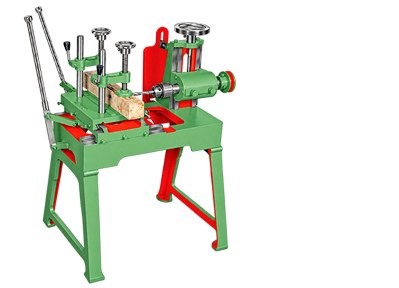
The Wood Drill Machine is designed for creating positioned holes and related hole-finishing work. It feeds a rotating tool ax...
View Product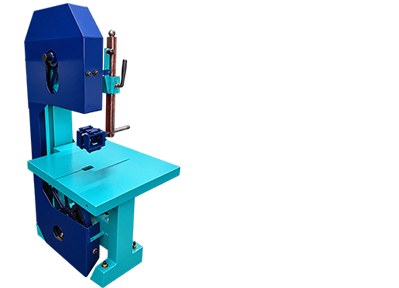
Built around cutting stock with a continuous band blade, the Wood Working Bandsaw provides a dedicated working arrangement. I...
View Product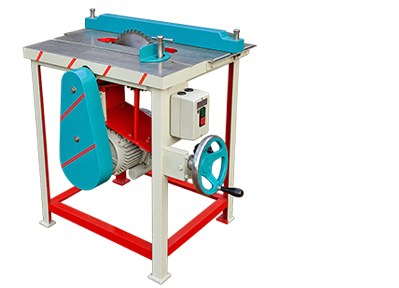
The Wood Working Table Cutting Machine is designed for separating material into required sizes or profiles. It guides a suita...
View ProductWoodworking machinery is used across numerous sectors.
Machines are used to manufacture:
Applications include:
Panel saws, boring machines, CNC routers, and sanding machines are particularly useful for:
Woodworking machines prepare timber for:
CNC routers, moulders, saws, and sanding equipment can manufacture customized interior components, decorative panels, partitions, wall elements, and architectural features.
Industrial equipment is used to convert raw logs and rough lumber into more manageable and dimensionally controlled timber products.
Machines can prepare wood for:
Wood lathes, routers, saws, and carving equipment support production of:
| Requirement | Suitable Technology |
|---|---|
| Custom/occasional jobs | Manual woodworking machines |
| Small workshop production | Manual or semi-automatic |
| Furniture batch production | Semi-automatic/automatic |
| High-volume repetitive work | Automatic machinery |
| Complex shapes and patterns | CNC router |
| Custom panel machining | CNC |
| Training and general workshop use | Conventional machines |
| Large furniture factory | Automated/CNC production line |
The correct choice depends on product mix rather than automation level alone.
A highly automated machine may not be economical for a workshop producing one-off custom pieces, while a manual process can become inefficient when thousands of identical components are required.
Begin with the final product rather than the machine.
Are you manufacturing:
The product determines the required machining operations.
Determine whether you will process:
Material properties influence cutter selection, machine power, feed, dust generation, and surface-finish requirements.
Measure the maximum:
Length × Width × Thickness
For sheet processing, evaluate complete panel dimensions.
For solid timber, consider both raw-stock and finished dimensions.
Machine capacity should include sufficient allowance for safe feeding, support, clamping, and tool clearance.
If you primarily need straight cuts, a saw may be the priority.
For flat surfaces and controlled thickness, investigate jointers and planers.
For decorative profiles, consider moulders or spindle moulders.
For furniture joints, evaluate mortising and tenoning equipment.
For complex panels and programmed profiles, CNC routing may be appropriate.
Consider expected output:
Per hour → Per shift → Per day → Per month
A custom furniture workshop and a large modular furniture plant require very different machinery.
Machine power should be appropriate for the material, workpiece dimensions, cutter, feed rate, and expected production duty.
Do not choose a machine solely on the highest advertised motor power.
Machine rigidity, spindle quality, feed system, cutter capacity, bearings, table design, and overall construction are also important.
Manual feeding may be sufficient for occasional jobs.
Power feeding can provide advantages in repetitive production by controlling the movement of stock through the cutting area.
However, feed rolls and related mechanisms also require guarding because in-running rolls on woodworking planers and moulders can draw hands, clothing, or material into the machine.
Dust extraction should not be treated as an optional accessory added after the production line is installed.
Woodworking processes can generate substantial quantities of chips and fine airborne dust. Suitable local exhaust arrangements should be provided for machines such as jointers, shapers, planers, moulders, lathes, and sanders.
Consider:
Before purchasing, inspect the availability and design of:
Woodworking machinery should incorporate appropriate guarding around hazardous cutting and moving components.
An efficient workshop should follow the direction of material flow.
A practical sequence might be:
Raw Material Storage
↓
Primary Cutting
↓
Jointing / Surface Preparation
↓
Thickness Planing
↓
Sizing & Profiling
↓
Drilling / Mortising / Tenoning / CNC Machining
↓
Sanding
↓
Assembly
↓
Finishing
↓
Finished Product Storage
This reduces unnecessary movement of heavy boards between workstations.
Machines should have sufficient infeed and outfeed clearance for the longest expected workpieces.
Productivity in woodworking is not simply a matter of increasing cutter speed.
Manufacturers should consider the complete process.
Position machines according to the production sequence.
Sharp and correctly selected blades and cutters reduce cutting forces and improve finish.
Frequently produced components can benefit from documented machine settings, jigs, fixtures, stops, and CNC programs.
Controlled feeding can improve consistency and reduce operator workload in suitable repetitive processes.
CNC machines can be highly effective when identical complex parts need to be manufactured repeatedly.
Accumulated chips and dust can interfere with production as well as create health, housekeeping, and fire concerns.
Vibration can affect cut quality and surface finish, so woodworking machinery should be sufficiently rigid to avoid excessive vibration under its intended operating conditions.
Dull cutting tools increase cutting resistance and can contribute to poor finish, burning, vibration, or kickback.
Dull or improperly maintained saws should be removed from service, while knives and cutting heads should remain sharp, correctly adjusted, balanced, and firmly secured.
Long boards require appropriate infeed and outfeed support.
Incorrectly adjusted fences and guides can produce dimensional errors and unsafe feeding conditions.
Timber can change dimensions as its moisture content changes. Precision woodworking should therefore account for the condition of the material and its intended service environment.
Preventive maintenance supports both production quality and safety.
Regularly inspect:
Cutting tools should be kept sharp and balanced.
Bearings should be maintained and properly lubricated. Preventive maintenance should also cover cutter condition, saw arbors, drive components, guards, and housekeeping around each woodworking machine.
Woodworking machines can cause severe injuries if used incorrectly.
High-speed blades and cutters, rotating spindles, feed rolls, kickback, flying wood, dust, noise, electrical equipment, and unexpected machine startup all require effective controls.
Inadequately guarded woodworking machinery can cause serious cuts, amputations, finger injuries, and eye injuries.
Never operate a machine with required guards removed or intentionally bypassed.
Guards should prevent access to dangerous parts while allowing the intended operation to be performed.
Use the machine's appropriate fence, guide, anti-kickback devices, push equipment, and feeding procedure.
Avoid forcing material through the cutter.
For appropriate operations involving smaller or narrower stock, suitable hold-down push blocks, jigs, or holding devices help keep hands away from the cutter, particularly when feeding narrow stock across a jointer.
Use suitable personal protective equipment according to the operation and workplace risk assessment.
Connect machinery to properly designed dust extraction where required.
Do not reach into machinery to remove material while cutters are moving.
A blade or cutter may continue rotating after power is switched off. Personnel must wait for complete coast-down and properly isolate the machine before cleaning, adjustment, or repair.
Woodworking machines form the backbone of modern timber, furniture, joinery, panel-processing, and wood-product manufacturing. They transform rough timber and engineered boards into accurately sized, shaped, joined, and finished components for commercial and construction applications.
Different machines serve different stages of production. Saws perform primary cutting and sizing; jointers and planers prepare flat and dimensionally controlled timber; moulders and spindle moulders create profiles; mortisers and tenoners produce joints; wood lathes manufacture turned components; boring machines prepare assembly holes; sanders improve surface finish; and CNC routers enable complex, programmable machining.
The correct machine should be selected according to the wood or board material, workpiece dimensions, required operations, production quantity, accuracy, machine capacity, automation requirements, tooling, dust extraction, available space, operator skills, maintenance support, and safety provisions.
For a small carpentry or custom furniture workshop, versatile conventional machines may provide the right balance of investment and flexibility. For high-volume furniture, door, cabinet, and panel production, power-fed, automatic, multi-operation, and CNC woodworking machines can substantially improve throughput and repeatability.
When suitable machinery is combined with sharp and correctly adjusted cutting tools, effective workholding and feeding, proper machine guarding, dust extraction, trained operators, preventive maintenance, and disciplined production planning, woodworking manufacturers can achieve a strong combination of productivity, dimensional consistency, surface quality, flexibility, and efficient timber utilization.