
Head Office
117, Grand Trunk Road, Salkia Howrah-700013, Kolkata, India
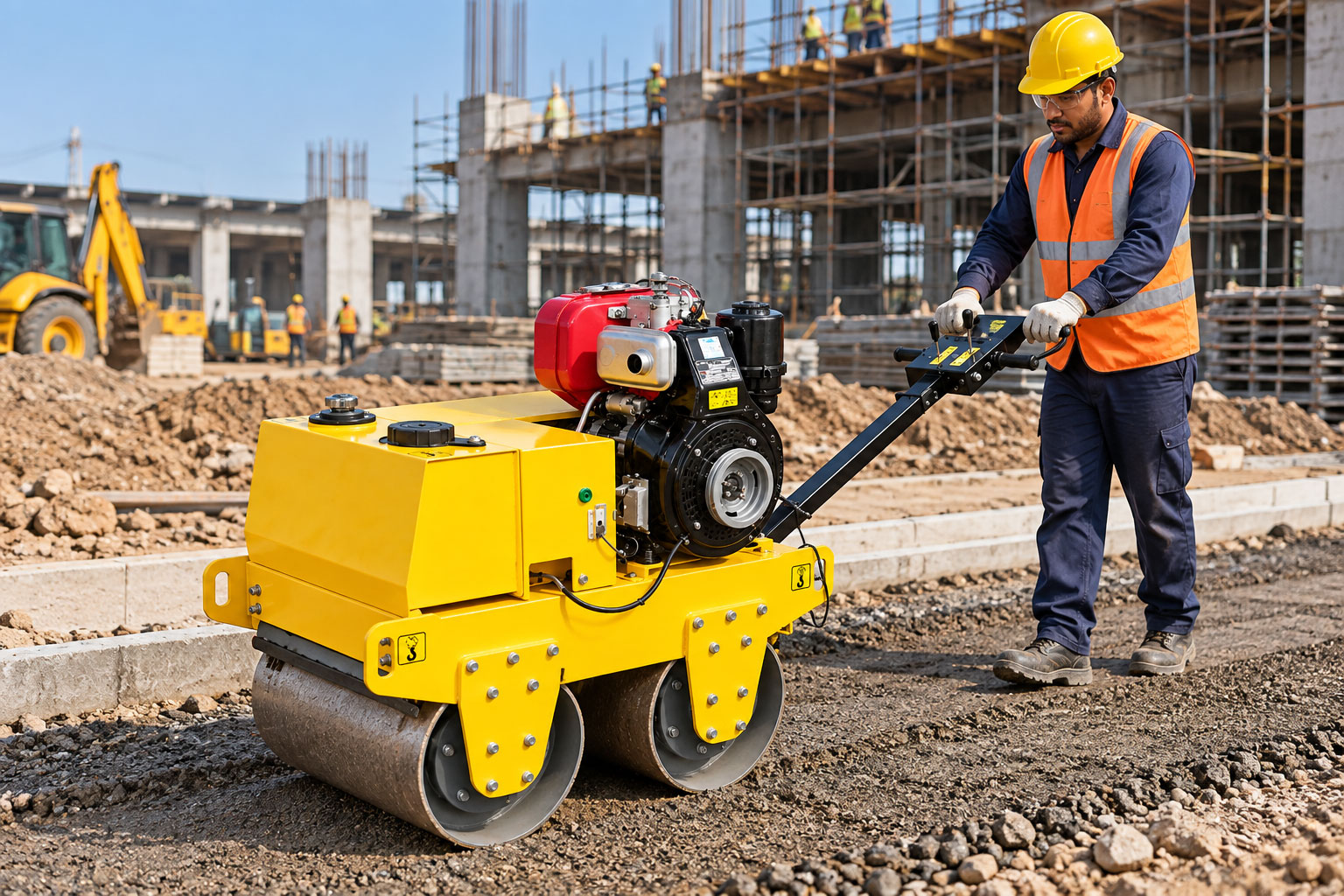
Modern construction projects depend on machinery to complete repetitive, heavy, and precision-oriented work efficiently. From preparing reinforcement steel for RCC structures to mixing and lifting concrete, cutting hardened concrete surfaces, grinding industrial floors, and recovering reusable reinforcement material, specialized Construction Machines can significantly improve productivity and consistency on a jobsite.
Modern construction projects depend on machinery to complete repetitive, heavy, and precision-oriented work efficiently. From preparing reinforcement steel for RCC structures to mixing and lifting concrete, cutting hardened concrete surfaces, grinding industrial floors, and recovering reusable reinforcement material, specialized Construction Machines can significantly improve productivity and consistency on a jobsite.
Modern construction projects depend on machinery to complete repetitive, heavy, and precision-oriented work efficiently. From preparing reinforcement steel for RCC structures to mixing and lifting concrete, cutting hardened concrete surfaces, grinding industrial floors, and recovering reusable reinforcement material, specialized Construction Machines can significantly improve productivity and consistency on a jobsite.
Construction machinery includes powerful equipment used for excavation, lifting, material handling, concrete work, reinforcement processing, surface preparation, road construction, and other demanding construction operations.
Within reinforcement and concrete construction, several compact and medium-duty machines perform particularly important roles. Automatic Steel Bar Bending Machines, Bar Bending Machines, Bar Cutting Machines, Concrete Mixers with Hoist and Lift, Concrete Road Cutter Machines, Floor Grinding Machines, and Rebar Scrap Straightening Machines each solve a different production challenge.
These machines are applicable to projects such as:
This guide explains how each machine works, where it is used, its major benefits, selection considerations, practical operating guidelines, maintenance requirements, and important safety considerations.
Large construction projects involve enormous quantities of steel reinforcement, concrete, structural materials, and finishing work.
Performing every operation manually would increase labour requirements, production time, physical effort, and variability.
Construction machinery helps mechanize important operations such as:
Rebar Cutting → Rebar Bending → Reinforcement Preparation → Concrete Mixing → Concrete Lifting → Concrete Cutting → Floor Grinding → Rebar Recovery
The objective is not simply to replace manual labour. Proper mechanization can create a more organized workflow in which workers, materials, and equipment are coordinated according to the project schedule.
An Automatic Steel Bar Bending Machine is designed to bend reinforcement steel into predetermined shapes and angles with reduced manual intervention.
Reinforcement bars used in RCC structures often require bends for:
Instead of repeatedly positioning and bending bars manually, an automatic system can control parts of the bending cycle to improve production consistency.
The steel bar is positioned against the machine's bending arrangement.
Depending on machine design, the operator sets parameters such as:
The powered bending mechanism then rotates around the bending point to form the required angle.
Advanced machines may incorporate programmable controls for repetitive bending operations.
Automatic steel bar bending machines are suitable for:
Programmed or controlled operation helps produce consistent bends across multiple bars.
Repeated bending operations can be completed faster than labor-intensive manual methods.
Powered bending reduces the manual force required to form reinforcement bars.
The machine is particularly useful where many bars require the same bending pattern.
A Bar Bending Machine is a powered construction machine used to bend reinforcement steel bars to the angles and shapes required by structural drawings and bar bending schedules.
It is one of the most important machines in an RCC reinforcement preparation area.
A bar bending machine can assist in preparing reinforcement for:
Depending on tooling and machine capability, operations can include:
Actual bend radius and geometry should follow the structural drawing and applicable reinforcement requirements.
A conventional bar bending machine normally requires greater operator involvement in positioning and controlling each bending cycle.
An automatic machine can incorporate programmed or automated control to improve repeatability during larger production runs.
Suitable for:
Better suited to:
The better machine depends on workload rather than automation alone.
A Bar Cutting Machine is designed to cut reinforcement bars into required lengths before bending and installation.
Rebar normally arrives at the construction site or fabrication yard in standard commercial lengths.
Structural drawings, however, require many different cut lengths.
The bar cutting machine therefore forms an important early stage in reinforcement processing.
A typical workflow is:
Rebar Storage → Measurement → Bar Cutting → Bar Bending → Identification/Sorting → Reinforcement Assembly
Bar cutting machines are widely used in:
Powered cutting is significantly more productive than manual cutting methods for repetitive reinforcement work.
When used with proper measuring systems, bars can be prepared according to the required cutting schedule.
The machine performs the main cutting action mechanically.
Suitable machines can support substantial reinforcement requirements on large construction projects.
Important factors include:
Do not select a machine based solely on nominal maximum bar diameter. Higher-strength reinforcement can impose different cutting loads than lower-strength material of the same diameter.
A Concrete Mixer with Hoist and Lift combines concrete mixing with a lifting arrangement that helps transfer mixed material to an elevated working level.
This type of equipment can be useful for multi-storey construction where concrete or construction material must be moved vertically.
The general workflow can be:
Cement + Sand + Aggregate + Water → Mixing → Discharge → Hoist/Lift → Required Floor or Working Level
The exact arrangement varies considerably between machine designs.
Combining functions can reduce dependence on separate equipment for certain site conditions.
Concrete preparation and vertical movement can be coordinated more efficiently.
A properly designed hoist arrangement can reduce the need for workers to manually carry heavy construction material vertically.
Particularly useful where concrete is required above ground level and the project does not use a larger centralized pumping system.
A concrete mixer should provide sufficient mixing action to distribute:
The mixer itself does not determine the concrete mix design.
Water-cement ratio, aggregate grading, cement content, admixtures, mixing time, batching accuracy, placement, compaction, and curing must follow the project specification.
The lifting system requires particular attention because suspended loads create serious hazards.
Important considerations include:
Never exceed the manufacturer's rated lifting capacity.
A Concrete Road Cutter Machine, also known as a floor saw or concrete cutter, uses a rotating cutting blade to create controlled cuts in concrete or other compatible pavement materials.
It is widely used in roadwork, flooring, repair, and civil engineering.
Concrete road cutters can be used for:
Diamond blades are widely used for concrete-cutting applications.
The blade specification should match:
Never use a blade whose rated speed is below the machine's operating speed.
Water is delivered to the cutting area.
Potential advantages include:
Some blades and machines are designed for dry operation.
However, concrete cutting can generate respirable crystalline silica dust. Effective dust-control methods and appropriate respiratory protection must be used according to the job and applicable safety requirements.
Concrete slabs and pavements may need controlled cuts for:
A machine-guided cutter can produce a more controlled line and depth than uncontrolled manual breaking.
A Floor Grinding Machine is used to grind, level, smooth, prepare, or remove coatings from concrete and other compatible floor surfaces.
These machines are important in both new construction and renovation.
Floor grinders can be used for:
Depending on the application, the machine may use:
Tool selection depends on floor hardness, coating type, desired finish, and machine configuration.
Before applying:
the existing floor often requires mechanical preparation.
Grinding can remove surface contamination, irregularities, old coatings, and weak surface material where the specified preparation method permits.
The final surface profile must match the coating or flooring-system manufacturer's requirements.
Concrete grinding can generate significant fine dust.
A suitable industrial dust-extraction system should therefore be considered part of the complete grinding setup.
A typical system may include:
Floor Grinder → Dust Hose → Industrial Dust Extractor → Filtration/Collection
Effective dust control improves visibility, housekeeping, and worker protection.
Construction and reinforcement processing can generate short or bent pieces of rebar.
A Rebar Scrap Straightening Machine is designed to straighten suitable bent reinforcement scrap so that material can potentially be recovered for an approved subsequent use rather than remaining in a tangled form.
Depending on design, bent bar is fed through a series of rollers or straightening mechanisms.
These apply controlled forces from different directions to reduce curvature and produce straighter output.
Some machines may combine:
depending on configuration.
Straightening a piece of scrap rebar does not automatically make it suitable for structural reuse.
Bars may have experienced:
Whether recovered reinforcement can be reused in a structural application must be determined by the project's engineer and applicable codes/specifications.
A straightening machine should therefore be regarded as a material-processing and recovery machine, not as a guarantee of structural suitability.
Where approved and technically suitable, potential benefits include:
A well-organized reinforcement yard can use several of these machines together.
Rebar Storage
↓
Measurement & Identification
↓
Bar Cutting Machine
↓
Bar Bending / Automatic Bar Bending Machine
↓
Sorting According to Bar Bending Schedule
↓
Reinforcement Assembly
↓
Installation
↓
Scrap Collection
↓
Rebar Scrap Straightening / Recycling as Approved
This creates a more systematic material flow than random cutting and bending across the jobsite.
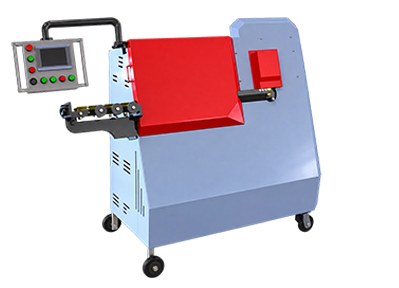
Built around forming reinforcing bars for concrete structures, the Automatic Steel Bar Bending Machine provides a dedicated w...
View Product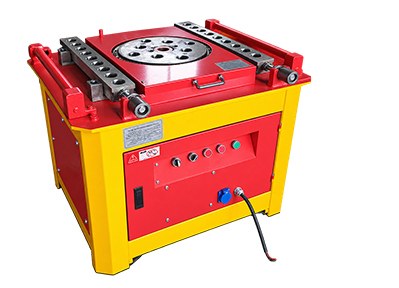
The Bar Bending Machine handles reinforcement used in cages, beams, columns, and foundations through a layout intended for fo...
View Product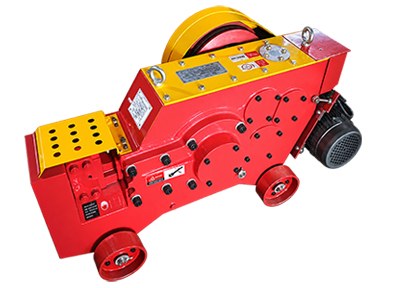
The Bar Cutting Machine handles reinforcement bars prepared for concrete structures through a layout intended for cutting rei...
View Product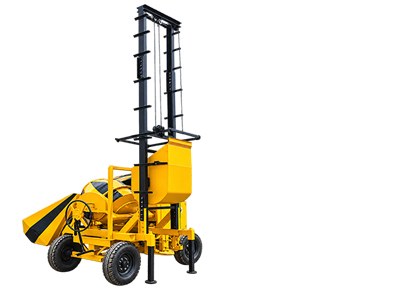
The Concrete Mixer With Hoist and Lift handles concrete, mortar, or title-specific construction mixtures through a layout int...
View Product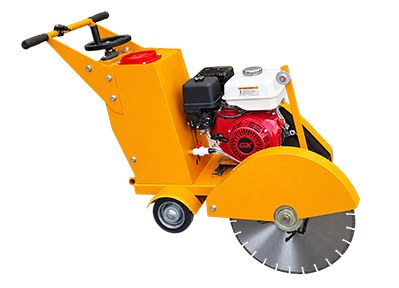
The Concrete Road Cutter Machine is designed for performing the specialised operation identified by its title. It controls th...
View Product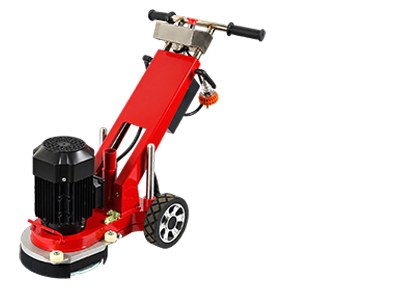
The Floor Grinding Machine handles machine parts, tools, rollers, blades, or title-specific components through a layout inten...
View Product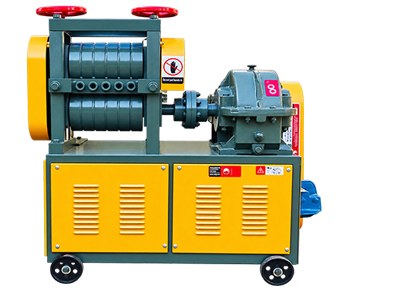
The Rebar Scrap Straightening Machine is designed for performing the specialised operation identified by its title. The opera...
View ProductFirst determine the actual job:
| Requirement | Suitable Machine |
|---|---|
| Automatic repetitive rebar bending | Automatic Steel Bar Bending Machine |
| General reinforcement bending | Bar Bending Machine |
| Cutting reinforcement to length | Bar Cutting Machine |
| Mixing and lifting concrete/material | Concrete Mixer With Hoist and Lift |
| Cutting concrete pavement/floors | Concrete Road Cutter |
| Preparing or leveling floors | Floor Grinding Machine |
| Straightening suitable rebar scrap | Rebar Scrap Straightening Machine |
For rebar machines, identify:
For concrete equipment, determine:
For cutting/grinding machines, consider:
Evaluate:
A high motor rating alone does not define machine performance.
Mechanical design, gearbox, cutting/bending mechanism, structural rigidity, and duty cycle are also important.
Construction machinery frequently moves between working areas.
Evaluate:
Small contractors may need flexible machines that handle varied work.
Large infrastructure projects may benefit from higher-capacity, automated machines designed for continuous production.
Depending on the machine, useful features can include:
Automation should simplify a properly controlled process rather than replace trained supervision.
Before purchasing, inspect the machine's:
Construction machinery often operates in demanding environments, making robust safety systems particularly important.
Inspect the machine for:
For lifting equipment, additionally inspect the hoist, rope, hook, brake, and related lifting components according to the manufacturer's requirements.
Keep the area:
Provide sufficient space for long reinforcement bars.
Never exceed rated capacity.
For rebar equipment, verify bar diameter and grade.
For concrete mixers, follow specified batch limits.
For road cutters and grinders, use tooling approved for the machine and application.
Stop the machine if you observe:
Do not continue production simply because the machine still runs.
Machine productivity depends on the entire workflow.
For reinforcement processing:
Steel Delivery → Storage → Cutting → Bending → Identification → Transport → Installation
For concrete work:
Material Batching → Mixing → Lifting/Transport → Placement → Compaction → Finishing → Curing
For floor preparation:
Inspection → Cleaning → Grinding → Dust Removal → Repair → Coating/Finishing
Productivity can be improved through:
Construction sites expose equipment to dust, cement, water, debris, and harsh operating conditions.
Preventive maintenance is therefore essential.
Inspect:
Inspect:
Inspect:
Inspect:
Inspect:
Construction machinery combines high forces, rotating components, sharp cutting tools, electrical power, heavy materials, and—in some equipment—suspended loads.
Operators should be properly trained for the specific machine.
Never remove guards to speed up production.
Particular danger zones include:
Long reinforcement bars can move suddenly during bending.
Establish a controlled exclusion zone around the machine.
Concrete-cutting blades and floor-grinding tooling must be installed correctly and inspected before operation.
Concrete cutting and grinding can release respirable crystalline silica. Appropriate engineering controls such as water delivery or dust extraction should be used according to the operation.
Never stand below a suspended load from a concrete mixer hoist or other lifting system.
Do not exceed rated lifting capacity.
Construction environments can be wet and dusty. Electrical cables, plugs, controls, earthing/grounding, and protective devices should be maintained appropriately.
Disconnect and isolate relevant energy sources before servicing, clearing jams, changing blades or tools, or entering hazardous machine areas.
Modern Construction Machines provide the mechanized power required to handle demanding reinforcement, concrete, road, and surface-preparation operations efficiently.
Each machine performs a specialized function within the construction workflow:
Automatic Steel Bar Bending Machines support repetitive and controlled reinforcement bending.
Bar Bending Machines prepare reinforcement shapes for beams, columns, slabs, foundations, and other RCC structures.
Bar Cutting Machines cut reinforcement steel to the required lengths before bending and assembly.
Concrete Mixers with Hoist and Lift combine concrete preparation with vertical material movement for suitable building projects.
Concrete Road Cutter Machines produce controlled cuts in pavements, slabs, roads, and industrial floors.
Floor Grinding Machines prepare, level, smooth, and renovate concrete floor surfaces.
Rebar Scrap Straightening Machines help organize and recover suitable bent reinforcement material for approved reuse or recycling.
The right machine should be selected according to material type, rebar grade and diameter, production capacity, project size, concrete requirements, cutting or grinding depth, automation level, motor power, electrical supply, mobility, site conditions, maintenance requirements, and safety systems.
For small contractors, versatile and portable construction equipment may provide the best balance between cost and productivity. Large infrastructure, high-rise, bridge, precast, and industrial projects may benefit from higher-capacity and automated rebar-processing, concrete-handling, and surface-preparation equipment.
When suitable machinery is combined with planned material flow, trained operators, correct tooling, preventive maintenance, machine guarding, dust control, safe lifting practices, accurate bar bending schedules, and disciplined site management, construction companies can achieve higher productivity, more consistent workmanship, reduced material handling, better resource utilization, and reliable jobsite performance.