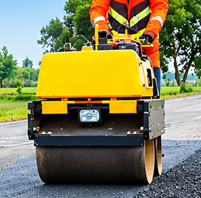
Walk Behind Roller
Construction Machinery

Walk Behind Roller

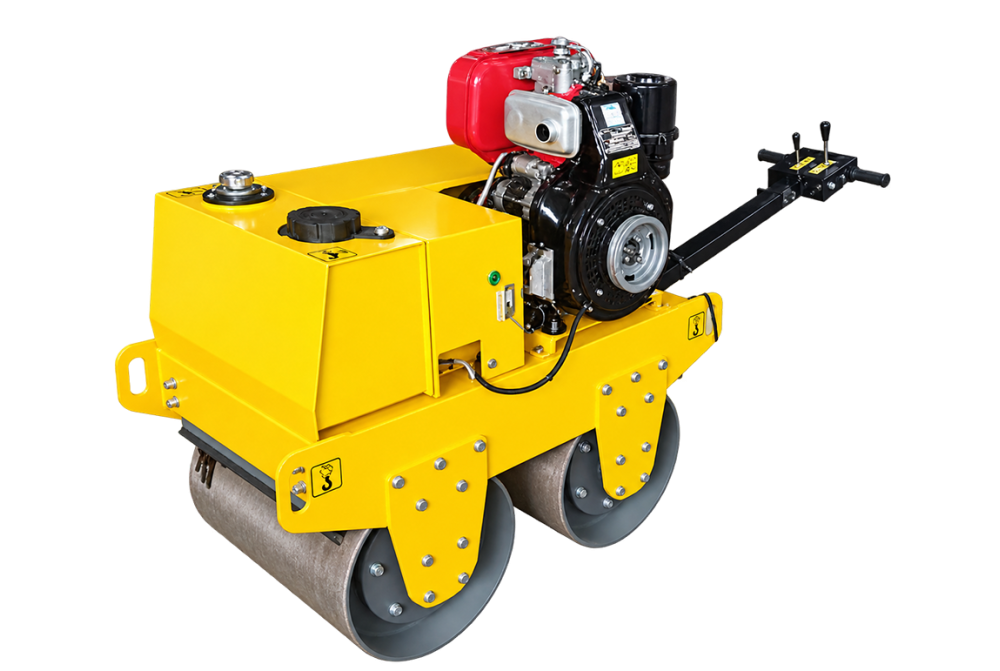
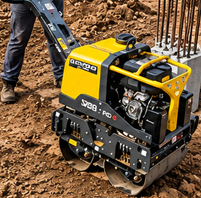
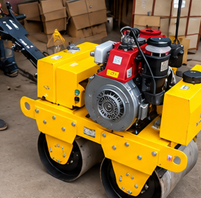
The Walk Behind Roller handles road base, soil, asphalt, and landscaped surfaces through a layout intended for compacting prepared ground, asphalt, or granular layers. Its progressive area compaction through guided drum contact suits road repair, pathways, parking areas, and construction sites.

Order By Phone

Shipping Information Usually dispatched With In business days

Overview

Product Overview

Walk Behind Roller

Machine Purpose

Used for compacting prepared ground, asphalt, or granular layers, the Walk Behind Roller addresses a distinct stage of industrial work. It accommodates road base, soil, asphalt, and landscaped surfaces and keeps setup, tool engagement, and job handling centred on that task.

Industrial Applications

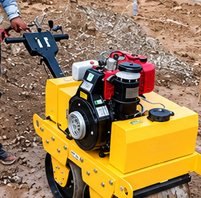
The machine is applicable to road repair, pathways, parking areas, and construction sites. It can support individual jobs, recurring batches, or a dedicated station between earlier preparation and later inspection.

How It Works

A typical cycle begins with locating the job correctly, after which the machine applies rolling weight and vibration through a drum. Its progressive area compaction through guided drum contact supports repeat work without replacing the need for trained operation.

Selection Considerations

Machines within construction machinery can differ in arrangement and capability. The required Walk Behind Roller should therefore be matched to actual samples or process details, with tooling, controls, guarding, and utilities verified before ordering.

Pathak is a Manufacturer, Supplier and Exporter offering this machine with application-based product guidance.

Specifications

Technical Specifications

Model TLBWBR
Engine Brand Greaves Diesel Engine/Changfa/Honda
Engine Model 1510 electric start/186 electric start
Engine Type Air-Cool Diesel/Gasoline
Power 5.76-9 H.P.
Drive Model Mechanical Drive
Walking Model Forward and Back
Vibratory Clutch Method Automatic
Centrifugal Force
[Exciting Force 25 KN
Rotating Speed 2200-3000 RPM
Fuel Capacity 6-8 'tr.
Lubricating Oil 36 No. Hydraulic Oil
Static Load 45 N/CM
Vibration Frequency 70 Hz
Nominal Amplitude 0.6 mm
Area of Compaction 25000 sq. ft./Hour
Theoretical Climbing Ability
Hydraulic Oil Tank Capacity 18 Itr.
Water Tank Capacity 35 Itr.
Watering System Gravity Sprinkel System
Wheel Size 600x420 mm x2
Package Size 1350x750x1150 mm
Weight 660 Kg
Short Videos

YouTube Short Videos

FAQs

Frequently Asked Questions

Why is a Walk Behind Roller used in industrial work?
The Walk Behind Roller is intended for compacting prepared ground, asphalt, or granular layers. It is arranged around road base, soil, asphalt, and landscaped surfaces, giving operators a dedicated method for this specific stage of production, preparation, assembly, finishing, testing, or repair.
What happens during operation of a Walk Behind Roller?
The machine applies rolling weight and vibration through a drum. Its progressive area compaction through guided drum contact supports a controlled sequence, although the exact setup, tooling, feed, and operating parameters must follow the selected model and the job being processed.
What workpieces or materials can a Walk Behind Roller handle?
It is primarily associated with road base, soil, asphalt, and landscaped surfaces. Suitability depends on the material, shape, size, required operation, tooling, and rated capacity, so the actual workpiece should be checked against the product specification before use.
Where is a Walk Behind Roller typically installed?
Typical users include road repair, pathways, parking areas, and construction sites. In these settings, the Walk Behind Roller may operate as a standalone workstation or as one stage within a broader manufacturing, fabrication, maintenance, or quality-control process.
Which factors matter when selecting a Walk Behind Roller?
Start with the real workpiece and required operation. Compare working range, compatible tooling, control method, production frequency, loading arrangement, available space, utilities, guarding, and service access. Confirm every numerical requirement from the selected model’s technical data rather than relying on the general machine name.
What maintenance checks are important for a Walk Behind Roller?
Keep the working area clean and inspect the tool, work supports, guards, fasteners, transmission elements, lubrication points, and relevant electrical, hydraulic, or pneumatic systems. Follow the maintenance schedule supplied for the machine, isolate all energy before servicing, and replace guards before returning it to operation.
What factors affect the price of a Walk Behind Roller?
Price depends on the required working range, construction, drive and control arrangement, tooling, automation, accessories, guarding, inspection requirements, freight, and installation support. A meaningful quotation therefore needs the intended application and workpiece details, not only the title Walk Behind Roller.