Head Office
117, Grand Trunk Road, Salkia Howrah-700013, Kolkata, India
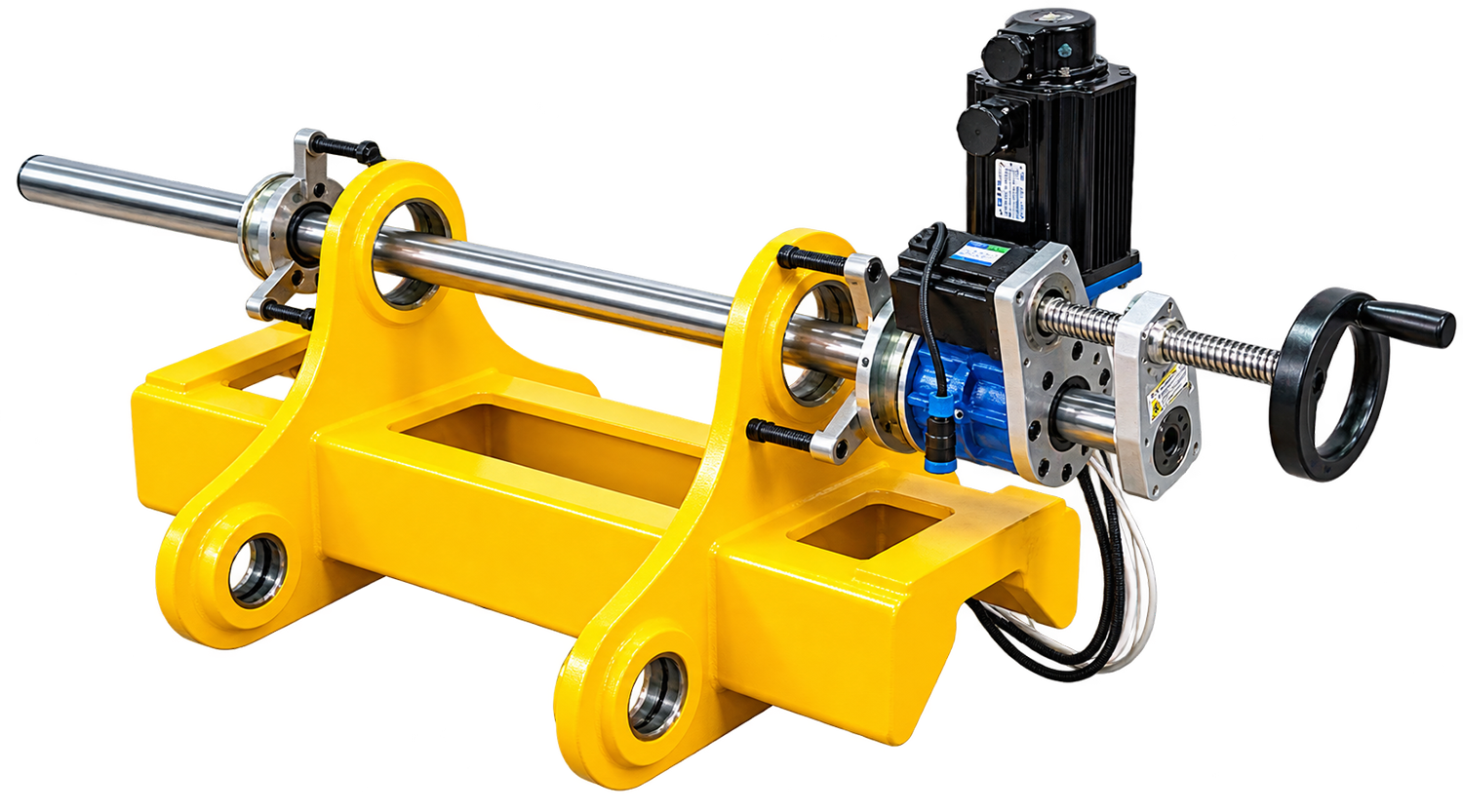
A portable on-site machining system for restoring worn bores by precision line boring and, on selected models, bore welding. The PIBYSW range covers listed boring diameters from 45 to 700 mm with machined-hole roundness of 0.02 mm or better.
Shipping Information Usually dispatched With In business days
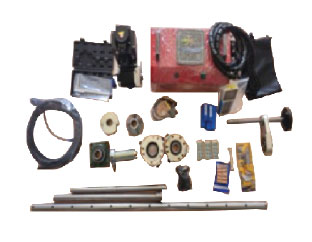
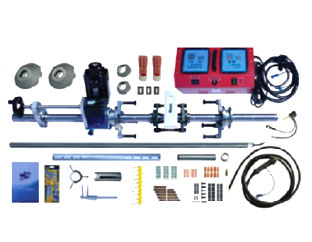
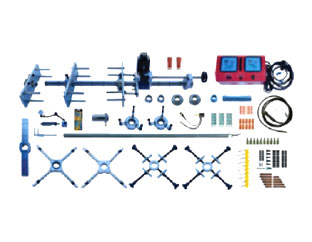
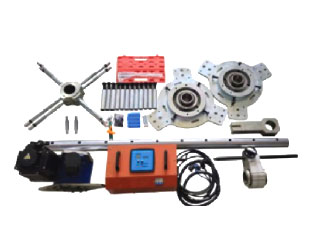
The Portable Welding and Boring Machine brings bore restoration directly to large or difficult-to-move equipment. It can be mounted across aligned bores so worn pin and bearing seats can be machined in position, reducing the need to dismantle and transport an entire component to a conventional workshop machine.
The PIBYSW range includes models for listed boring diameters from 45 to 700 mm. PIBYSW-50 and PIBYSW-60 also list bore-welding ranges, allowing worn bores to be built up before finish boring. This combined repair process is useful when rebuilding pivots, hinge points, bearing housings and related bores on construction, mining, agricultural and heavy industrial equipment.
Depending on the model, continuously variable spindle-speed ranges, stepping or servo torque and configurable stroke support different repair envelopes. The supplied specification lists machined-hole roundness of 0.02 mm or better across the range. Actual results depend on setup rigidity, bar support, bore condition, tooling, alignment, welding procedure and operator technique.
Model selection should be based on the original and finished bore diameters, bore length, number and spacing of aligned bores, available mounting area, parent material, required welding build-up, tolerance, surface finish, access restrictions and site power supply. Component drawings and photographs help determine the appropriate bar, bearing supports, tooling and welding configuration.
| Parameter | PIBYSW-40 | PIBYSW-50 | PIBYSW-60 | PIBYSW-90 |
|---|---|---|---|---|
| Voltage | 380/220 V | 380/220/110/48 V | 380/220/110/48 V | 380 V |
| Motor Power | 2600 W | 3800 W | 3800 W | 7500 W |
| Motor Speed | 40-300 rpm (continuously variable speed) | 440-400 rpm (continuously variable speed) | 40-400 rpm (continuously variable speed) | 1500 rpm |
| Stepping Torque | 8.5 N.m | 8.5 N.m | 8.5 N.m | 47 N.m |
| Servo Torque | 15 N.m | 15 N.m | 15 N.m | - |
| Secondary Specification (labelled "Servo Torque" in source) | 10 N.m | 8 mm | 8 mm | - |
| Stroke | 300 mm | 300 mm (customizable length) | 500 mm (customizable length) | - |
| Boring Hole Diameter | 45-110 mm | 55-170 mm | 65-600 mm | 180-700 mm |
| Roundness of Machined Hole | ≤ 0.02 mm | ≤ 0.02 mm | ≤ 0.02 mm | ≤ 0.02 mm |
| Welding Hole Diameter | - | 30-400 mm | 30-600 mm | - |